
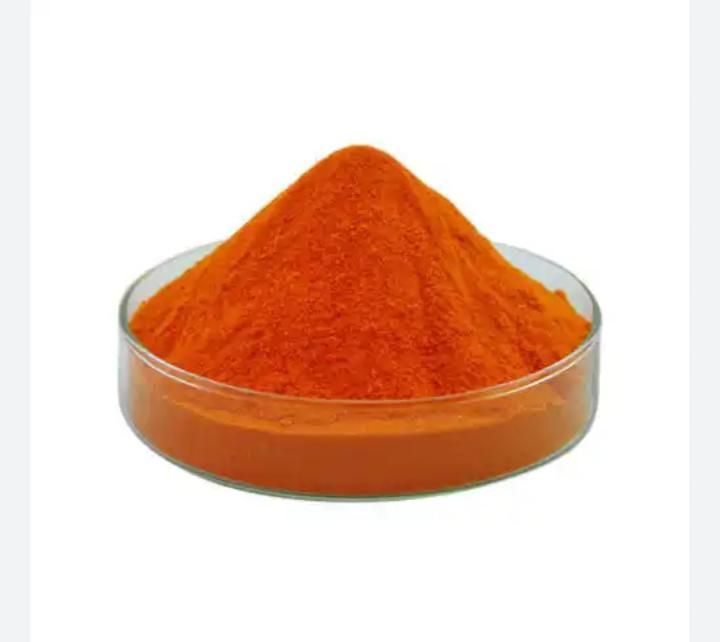
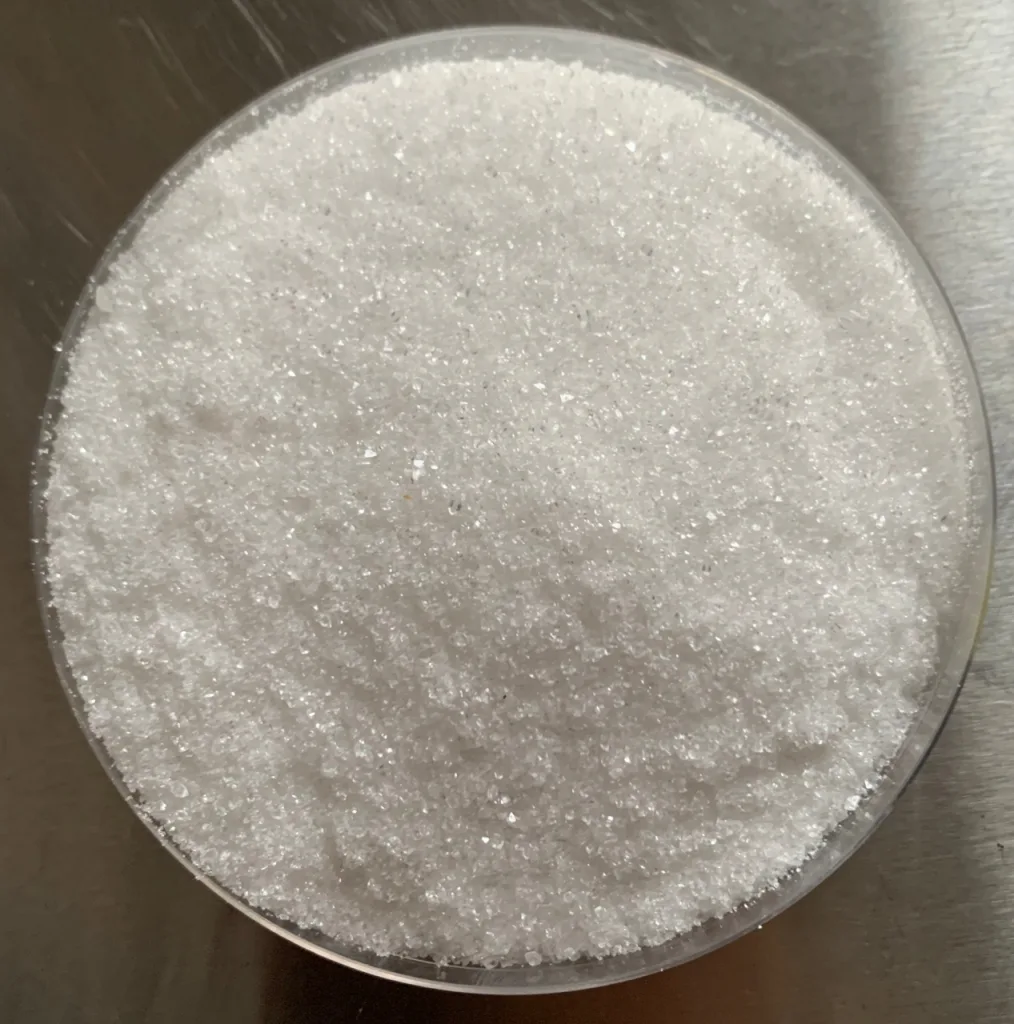
Potassium sorbate is a common preservative in cosmetics that prevents the growth of mold, yeast, and some bacteria, extending a product’s shelf life.
It is often combined with other preservatives for broader protection and is effective in acidic conditions (pH 4.0-6.5), typically at concentrations between 0.1% and 0.5%.
It is considered a safe ingredient for most skin types when used at regulated concentrations.
How it works as a Preservative:
Potassium sorbate is the potassium salt of sorbic acid and is used to inhibit microbial growth, particularly mold and yeast, in products like creams, lotions, and makeup.
Extends shelf life: By preventing contamination, it helps maintain the product’s freshness, consistency, and safety over time. Formulation and usage Usage rate:
It is typically used at concentrations of 0.1% to 0.5%.pH dependence:
It is most effective in formulations with a pH below 6.5, and its effectiveness is highest at a pH of 4.0 to 5.0.Incorporation:
It is usually added during the cool-down phase of formulation (below \(40^{\circ }C\)) to maintain its effectiveness.
Stability:
It remains stable up to a temperature of \(60^{\circ }C\) but should be protected from heat above this point.
Safety and tolerance Generally safe:
The Cosmetic Ingredient Review panel has found it safe for use in cosmetic products at concentrations up to 10%, though it is typically used at much lower levels.
Skin-friendly:
It is often used in products for sensitive skin because it is less likely to cause irritation compared to some harsher preservatives.
Potential reactions:
In rare cases, it can cause contact dermatitis or other allergic reactions in some individuals. Combinations and alternatives Broad-spectrum protection: To protect against a wider range of microorganisms, it is often combined with other preservatives like sodium benzoate. Natural alternative: It is frequently used as a natural alternative to synthetic preservatives like parabens.

Reviews
There are no reviews yet.